
The Top Reasons Why Personal Injury Claims Fail in Court

Personal injury claims can fail in court for many reasons, but most failures come down to one simple issue: the claimant cannot prove the case clearly enough. A personal injury case usually depends on evidence, liability, causation, damages, deadlines, and consistent documentation. If any of these areas are weak, the claim may be dismissed, reduced, or settled for far less than expected.
Personal injury law can vary by state, court, and case type. This article is for general information only and should not be treated as legal advice. For law firms, however, understanding why claims fail can help improve client intake, case preparation, document tracking, and litigation readiness.
What Is a Personal Injury Claim?
A personal injury claim is a legal claim made when a person suffers harm because of another person’s or business’s actions, negligence, or unsafe conduct. Personal injuries can include harm to a person’s body, emotions, or reputation.
In many personal injury cases, the injured party must prove that the other party was negligent. Negligence means failing to act with the level of care that a reasonable person would use under similar circumstances.
1. Lack of Strong Evidence
One of the biggest reasons personal injury claims fail is the lack of strong evidence. A court needs proof, not assumptions. If the claimant cannot show what happened, who was responsible, and how the injury caused actual losses, the case becomes weak.
Important evidence may include:
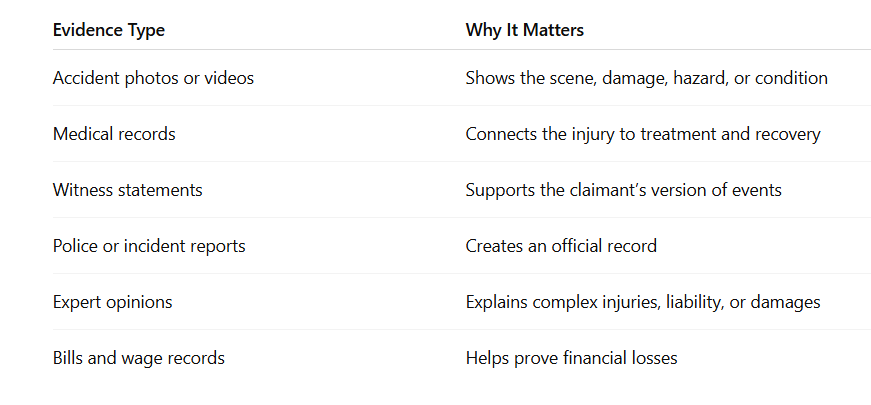
A claim may fail if evidence is missing, collected too late, inconsistent, or not properly organized.
2. Failure to Prove Liability
A claimant must usually prove that the defendant was legally responsible for the injury. This is where many personal injury cases become difficult.
To prove liability, the claimant often needs to show:
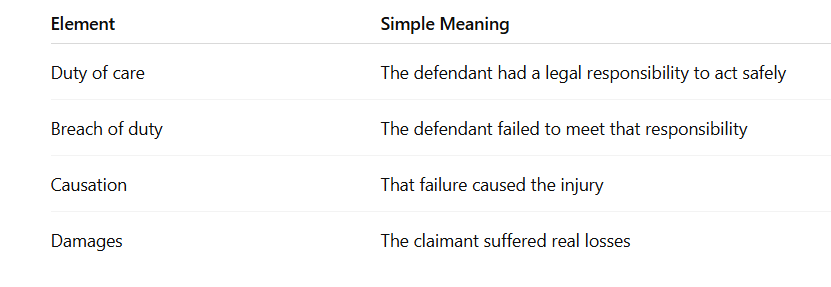
In civil cases, the plaintiff usually has the burden of proving the case by a “preponderance of the evidence,” meaning the claim is more likely true than not.
If liability is unclear, shared, or poorly documented, the court may not rule in the claimant’s favor.
3. Contributory or Comparative Negligence Issues
Some claims fail or lose value because the claimant may have partly contributed to the accident. For example, in a car accident case, the injured person may have been speeding, distracted, or not following traffic rules.
Rules around shared fault vary by jurisdiction. In some places, a partial fault can reduce compensation. In others, it may prevent recovery depending on the facts and applicable law.
This is why law firms must carefully evaluate the client’s actions, available evidence, and possible defenses early in the case.
4. Missed Statute of Limitations
Every personal injury claim has a legal deadline. This deadline is called the statute of limitations. If a claimant waits too long to file, the court may dismiss the case even if the injury is serious.
This is one of the most avoidable reasons a personal injury claim fails. Law firms should track deadlines from the first client consultation and maintain a clear calendar for filing dates, discovery deadlines, court appearances, and settlement-related tasks.
5. Procedural Errors
A personal injury case can also fail because of technical or procedural mistakes. These may include incorrect filing, incomplete paperwork, missed court deadlines, failure to serve documents properly, or not following court rules.
Even a strong case can become difficult if the process is not handled correctly. For attorneys, this is where case management workflows become important. A centralized system for deadlines, documents, notes, billing, and client communication can reduce avoidable errors.
6. Weak Medical Documentation
Medical documentation is one of the most important parts of a personal injury claim. If the claimant delays treatment, skips appointments, ignores medical advice, or fails to keep records, the defense may argue that the injury is not serious or not connected to the accident.
Good medical documentation helps show:
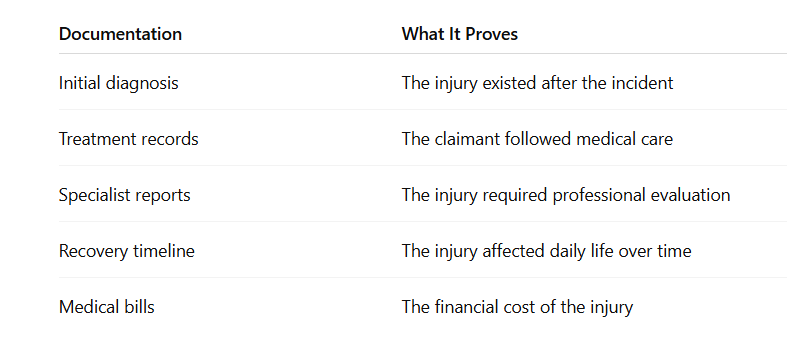
Without consistent medical records, damages become harder to prove.
7. Inconsistent Statements
Inconsistent statements can damage credibility. If the claimant says one thing to the doctor, another thing to the insurance adjuster, and something different in court, the defense may use those differences to weaken the claim.
Law firms should document client conversations carefully and prepare clients for recorded statements, depositions, and court testimony. A personal injury lawyer can also help clients understand how to answer questions clearly without making confusing or inconsistent statements. The goal is not to coach false answers, but to make sure the client understands the importance of accuracy, honesty, and consistency.
8. Overreaching or Exaggerated Claims
A personal injury claim may fail when the damages requested are unrealistic, exaggerated, or unsupported by evidence. Courts and insurance companies look for proof.
Damages should be supported by medical bills, wage loss records, treatment plans, expert reports, and documentation of pain, suffering, and daily-life impact.
A realistic claim is usually stronger than an inflated claim. A personal injury lawyer can help evaluate medical bills, lost wages, treatment records, and other damages before presenting the claim. Overstating injuries or financial losses can reduce trust and weaken the entire case.
9. Poor Legal Representation or Lack of Case Strategy
Personal injury claims require careful legal strategy. A weak strategy can lead to missed evidence, poor negotiation, incomplete discovery, weak expert support, or missed deadlines.
A strong attorney or legal team should evaluate liability, damages, medical records, deadlines, insurance issues, and possible defenses early in the case. For law firms, a structured workflow helps keep every case moving in the right direction.
10. Poor Client Communication
Many personal injury cases become weaker because the client does not understand what is expected. Clients may forget deadlines, fail to provide documents, miss medical appointments, post harmful information online, or speak with insurance adjusters without guidance.
Clear communication helps prevent these issues. Law firms should explain what clients should do, what they should avoid, and what documents they need to share.
How Law Firms Can Reduce the Risk of Personal Injury Claim Failure
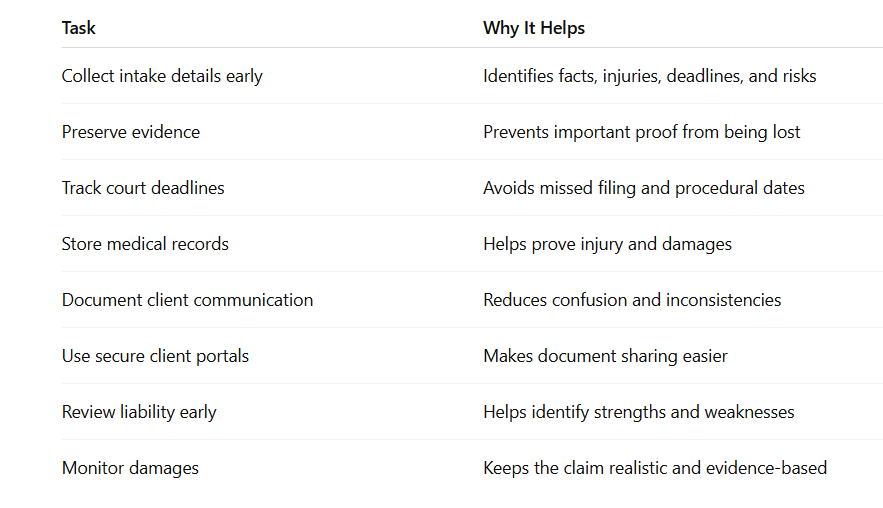
Law firms can reduce claim failure by improving the way they collect, organize, and manage case information.
Here is a simple case-readiness checklist:
Conclusion
Personal injury claims often fail because of weak evidence, unclear liability, missed deadlines, poor medical documentation, inconsistent statements, procedural errors, or unrealistic damages. These problems can make it difficult for a claimant to prove the case in court.
For law firms, the key is early preparation. Strong intake, organized documentation, deadline tracking, client communication, and structured case management can help reduce avoidable mistakes and improve case readiness.
FAQs
Most personal injury claims fail because the claimant cannot prove liability, causation, damages, or compliance with legal deadlines.
Useful evidence may include photos, videos, medical records, witness statements, police reports, expert opinions, wage records, and bills.
Yes. If the statute of limitations or court deadlines are missed, the case may be dismissed.
Medical records help connect the injury to the incident and show the seriousness, treatment, and financial impact of the injury.
Yes. Exaggerated or unsupported claims can damage credibility and reduce the chances of a favorable outcome.